


Infrastructure Investment for Growth
Rotorua Lakes Council and Central Government are partnering through an $84.6 million Infrastructure Acceleration Fund (IAF).
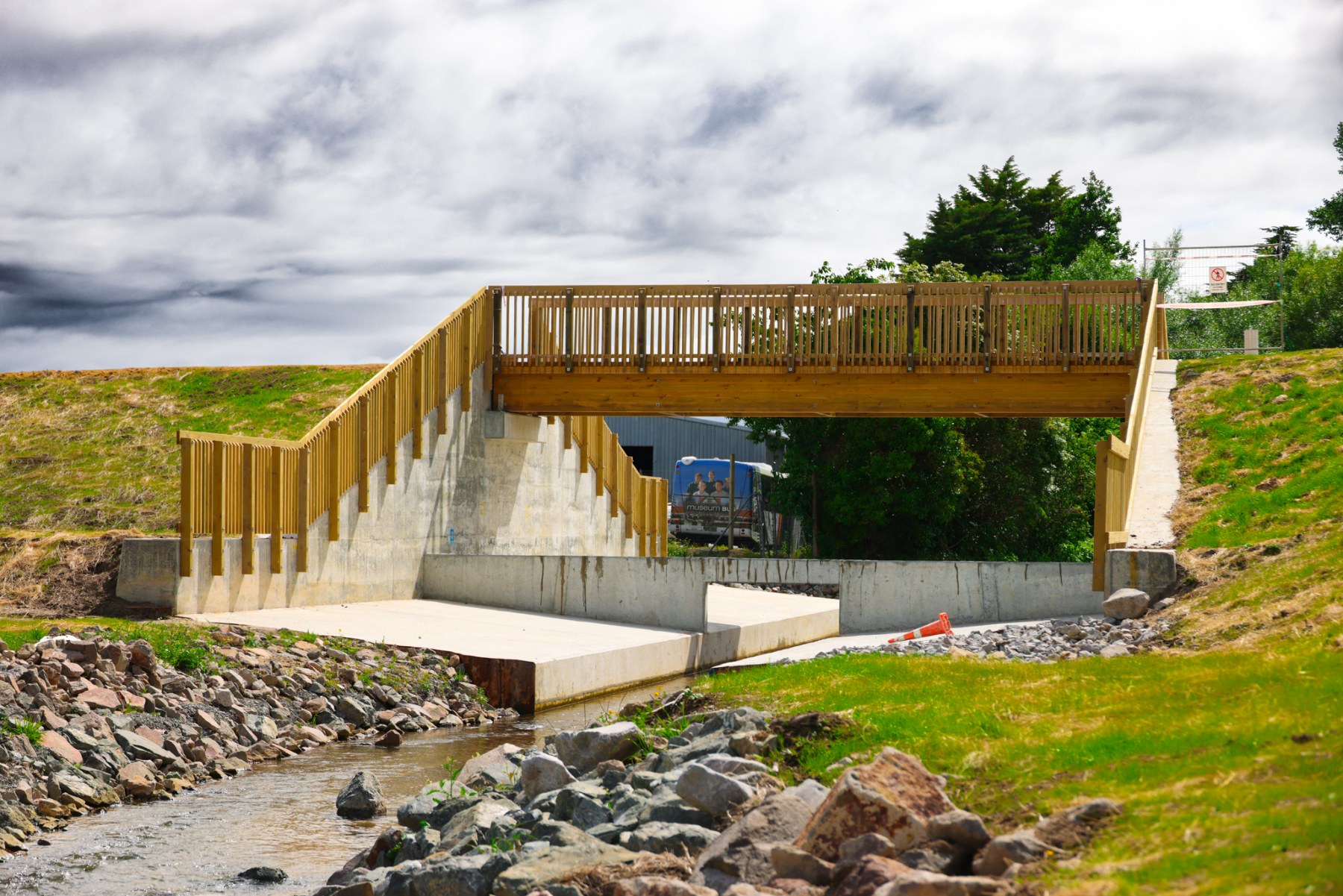
The investment aims to upgrade stormwater networks, reduce flooding risks and enable future housing development.
The programme, which involves several projects, will provide stormwater infrastructure for flood management in the Central and Western areas of Rotorua.
The works will enable around 3,000 more houses by 2031 to cater for projected future growth.
Current status
September 2026
A key development this month has been confirmation from National Infrastructure Funding and Financing (NIFF) that the programme's proposed updates to its delivery plan have been approved in principle. While the formal documentation is still being finalised, this approval provides increased certainty around programme timeframes and funding arrangements, helping move a number of projects and programme activities forward.
Significant progress has also been made in securing the support, approvals and land access arrangements required to deliver some of the key future stormwater improvements. This reflects the ongoing collaboration between iwi, landowners, community organisations, stakeholders and programme partners, and highlights the value of working together to achieve outcomes that will benefit Rotorua for generations to come.
Alongside this progress, engagement with iwi, landowners and other stakeholders has remained a strong focus. Ongoing hui, workshops and discussions are helping to strengthen relationships, share information, and ensure cultural, environmental and community perspectives continue to inform programme planning and decision making.
The programme represents a significant long-term investment in Rotorua's future, improving stormwater management, reducing flood risk, enabling growth and increasing resilience to weather events.
The programme remains focused on building strong partnerships and creating the foundations for successful delivery and enduring benefits for Rotorua communities.

Programme overview
Programme progress depends on funding decisions and Government approvals. Individual projects are being progressed and are in different stages of development.
PC2 (Plan Change 2) development area - Pukehangi Heights
Detention ponds to enable housing development.
PC2 support area - Linton Park
Linton Dam and spillway completed. The dam will help control the natural flow of water during heavy rain and replaces a previous dam at the Old Taupo Road end of Linton Park East.
Read more about this project here.
West 06 – Kawaha Point
Upgrades to stormwater pipes and flood storage areas to help manage heavy rainfall and support future development.
West 07 – Smallbone Park
Smaller-scale stormwater improvements including open drains and channel upgrades. Construction is planned for the next earthworks season.
West 08 – Utuhina
Improvements to the Utuhina Stream so water can flow through it more easily, reduce bottlenecks where it enters the lake, and improve how the upstream areas perform.
Upgrades to stormwater pipes, open drains and other local flood management improvements.
Central 03/04 – Glenholme and Rotorua Central
Large and complex stormwater upgrades including pipes, open drains and flood storage areas. Work is continuing to confirm costs and timelines.
Central 05/06 – Fenton Park
Upgrades to stormwater pipes, open drains and channel improvements. Work is continuing to confirm costs and timelines.
Stormwater in action
Alongside major infrastructure projects, Council teams maintain and improve Rotorua’s wider stormwater network throughout the year.
Stormwater in action shares examples of this work — including maintaining drains and waterways, inspecting assets, removing obstructions and completing local improvements.This wider network work is not necessarily funded through the Infrastructure Investment for Growth programme.
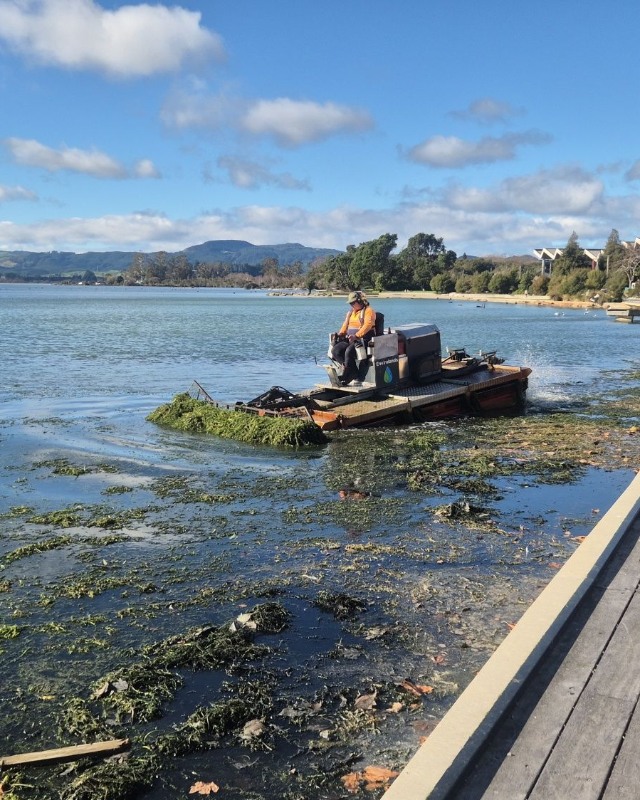
7 June: Behind-the-scenes mahi at the Rotorua Lakefront saw Council team up with Toi Moana Bay of Plenty Regional Council to remove lake weed and keep this popular spot looking its best.
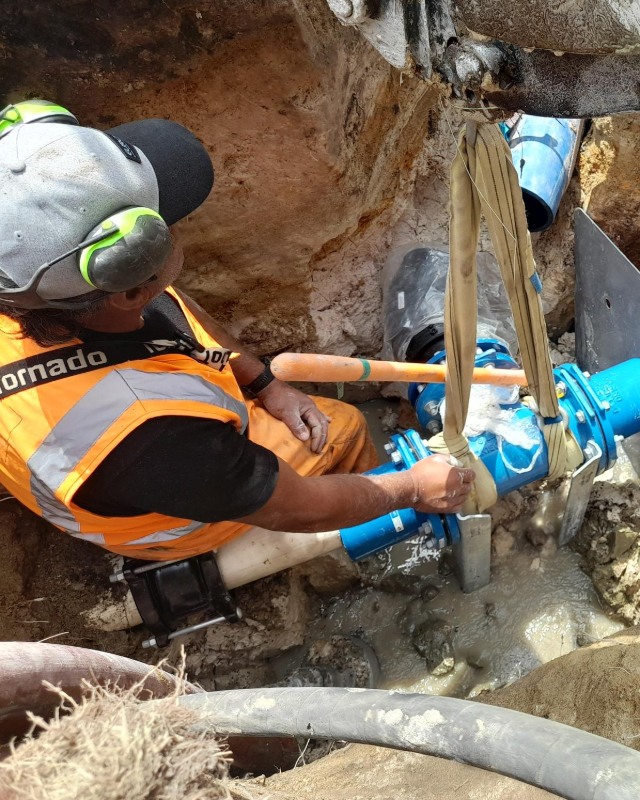
15 April: Take a closer look at some of the stormwater projects helping manage rainfall and strengthen Rotorua’s drainage network.
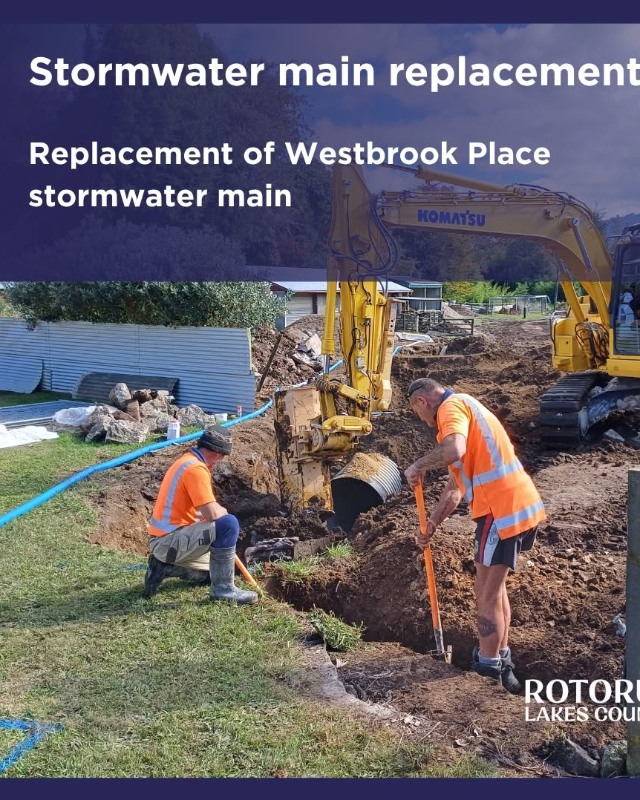
10 July 2025: See how recent drain stabilisation work is helping protect Rotorua’s stormwater network and keep water moving where it needs to go.
Project updates
2026
September 22, 2026::He Pānui Wai update
August 2026: Community update He Pānui Wai
28 July: Rotorua wastewater, stormwater, and drinking water updates
13 May 2026: Project update to Infrastructure Committee
- Watch the full presentation to the Infrastructure Committee here
- View the presentation document here:
11 February 2026: Project update to Infrastructure Committee
2025
August 6, 2025:Major capital projects progress report
- Read the update here, from P20
July 7, 2025: Major capital projects progress report
- Read the update here, from P14
June 4, 2025: Major capital projects progress report
- Read the update here, from P43
May 7, 2025: Major capital projects progress report
- Read the report here
March 5, 2025: Major capital projects progress report
- Read the update from p16
5 February 2025: Major Capital Projects Progress Report
- Read the update from p23
2024
2022
2021
Sept 2021: Stormwater key focus of funding applications
Frequently asked questions:
What is the Infrastructure Investment for Growth programme?
The Infrastructure Investment for Growth programme is a partnership between Rotorua Lakes Council and Central Government to improve stormwater infrastructure, reduce flood risks and support future housing growth in Rotorua.
The programme is funded through National Infrastructure Funding and Financing (NIFF).
How much funding has Rotorua received?
Rotorua Lakes Council received $84.6 million from the Government’s Infrastructure Acceleration Fund for stormwater infrastructure projects in Rotorua’s western and central areas.
Why is this investment needed?
Rotorua needs more housing and stronger infrastructure to support growth.
Stormwater systems in some parts of the city need upgrading to:
- reduce flooding risks
- support more housing
- improve resilience to climate change
- support future urban growth
The programme needs to provide enabling infrastructure by 2029 and to help enable around 3,086 housing opportunities by 2035.
What areas are included in the programme?
The programme focuses on western and central Rotorua, including:
- Pukehangi Heights
- Kawaha Point
- Springfield
- Koutu
- Glenholme
- Rotorua Central
- Fenton Park
Projects are currently in late-stage planning.
What types of stormwater improvements are planned?
Planned improvements include:
- upgrades to stormwater pipes
- flood storage areas and detention ponds
- wetlands
- open drain and channel improvements
- pump station upgrades
- open drain and channel improvements
These improvements are designed to better manage stormwater during heavy rainfall and reduce flood risks.
How will this help housing development?
Infrastructure such as stormwater systems is needed before new housing can be built safely and sustainably.
The programme will help provide the infrastructure needed to support:
- housing intensification
- greenfield development
- future residential growth
What is the Infrastructure Acceleration Fund?
The Infrastructure Acceleration Fund (IAF) is part of the Government’s Housing Acceleration Fund and is administered by Kāinga Ora – Homes and Communities.
The fund helps councils and developers deliver infrastructure needed to support new housing.
Will the community be consulted?
Yes. Community engagement and consultation will take place as projects progress through planning, design and delivery stages.
When will work begin?
Linton Dam and spillway have already been completed.
Planning, feasibility and design work for the other projects is well advanced.
Construction timing will depend on:
- funding approvals
- detailed design work
- consenting requirements
- project readiness
Some projects may begin during the upcoming earthworks season.
Project documents:
- 30-year Infrastructure Strategy
- National Policy Statement on Urban Development 2020 sets out objective and policies for planning well-functioning urban environments under the RMA.
- Pukehangi Heights – Plan Change 2 (facilitating residential and rural residential development)
- Housing for Everyone - Plan Change 9 (Intensification through enabling medium density living across most urban areas)
- Rotorua Urban Area Comprehensive Stormwater Consent (Comprehensive consent)
- Infrastructure Acceleration Fund – RFP Response Form
- 9 September 2021 – Strategy, Policy & Finance Committee: Agenda, Minutes, Presentation
Timeline:
| June 2020 | Housing shortage identified (1500 – 1750 approx. homes needed) |
| March 2021 | Kāinga Ora announces Housing Acceleration Fund (HAF) ($3.8 billion) |
| June 2021 | Infrastructure Acceleration Fund (IAF) launched (approx. $1 billion) RLC applies for $99.6million (of a $122million stormwater programme) for works in the Western and Central areas - $9.6m increase from the EOI (storm water solutions analysis and inflation adjustment). |
| April 2022 | RLC receives notification of successful Kāinga Ora RFP outcome |
| July 2022 | RLC obtains access to $84.6m from IAF for stormwater projects |
| April 2023 | Feasibility work commences in accordance with programme |
| 2024 | Bay of Plenty Regional Council (BOPRC) Rotorua urban area comprehensive resource consent approved. This new consent forms rules and guidelines for future stormwater management |
| 2025 | Designing feasible stormwater solutions, engage with stakeholders |
| 2026 | Preparing projects and starting implementation |
| 2027 | Project execution |
| 2028 | Complete all stormwater projects to enable 3086 housing opportunities by 2031 |
Looking for information on flood modelling?
We've modeled pluvial flooding (high rainfall flooding) for specific catchments in Rotorua and Ngongotahā to Awahou Stream.

The programme will enhance network performance, reduce flood risk, restore natural waterways, improve water quality before discharge and support green infrastructure and indigenous planting to boost biodiversity. It demonstrates our commitment to delivering stormwater services that are resilient, strategic, and sustainable, while supporting growth, community resilience, and environmental stewardship.

